Address:92 Xidazhi Street, Nangang District, Harbin
Zipcode:150001
Tel: 0451-86413408
Email:qqzhang@hit.edu.cn
|
 55
55
|
The New-Generation Intelligent Information and Communication Technology International Summer School of the School of Electronics and Information Engineering, Harbin Institute of Technology, commenced on July 20, 2026. Under the guidance and support of the Undergraduate School, a total of 86 students from 15 countries were admitted.
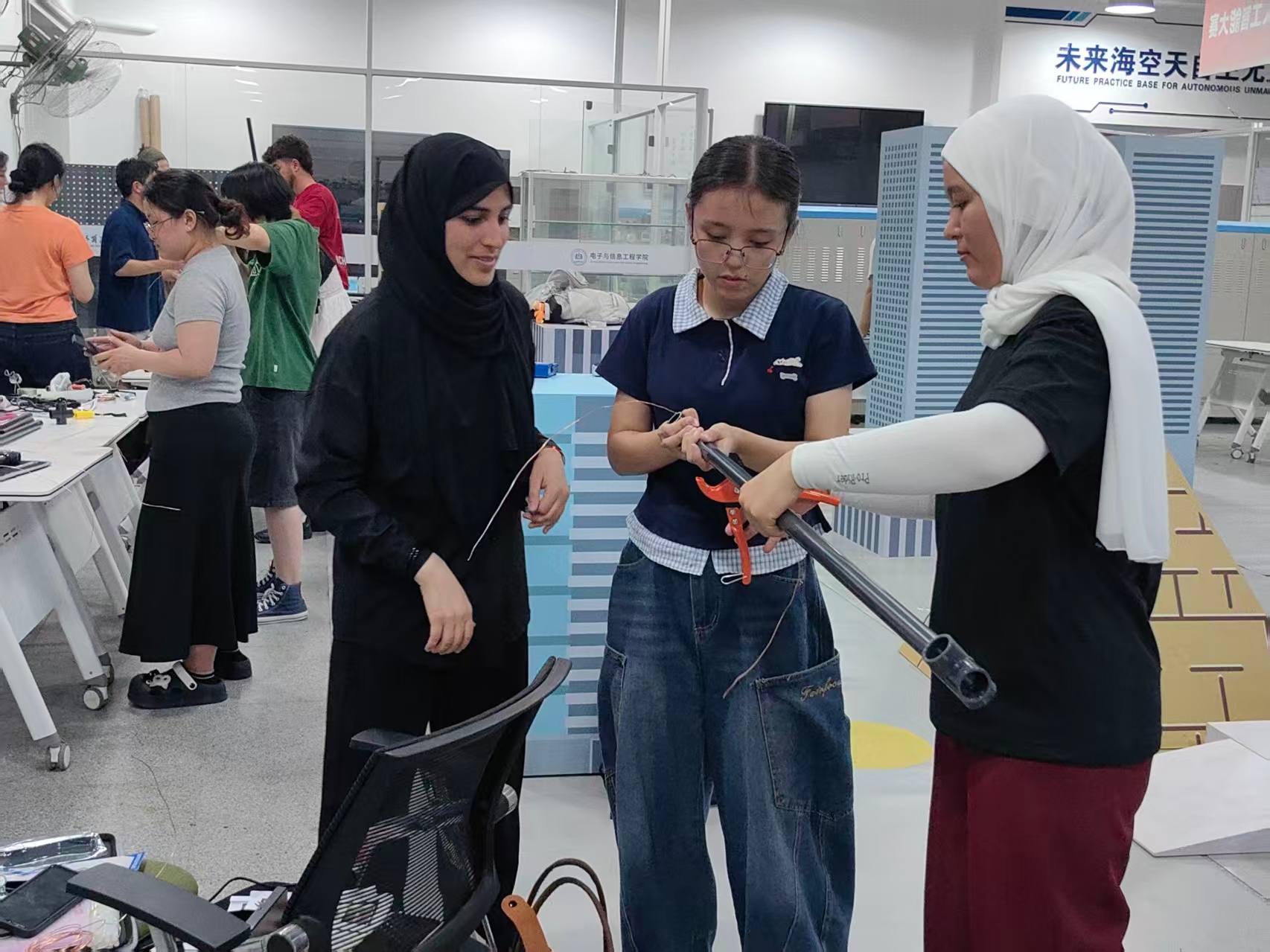
This International Summer School prepared rich learning content for its participants. In addition to inviting five renowned professors and scholars in the field from home and abroad for classroom instruction and academic lectures, an open-ended independent experimental course, Radio Direction Finding: Design and Practice, was designed. This course is a practice-and-innovation activity for electronic information majors, in which teacher instruction plays a supporting role and hands-on student practice takes the lead. Aimed at cultivating students' engineering awareness and innovative mindset, and grounded in the combined application of hardware and software, it requires students to integrate knowledge and engineering skills in radio fundamentals, radio positioning, and antenna construction. Through the stages of requirements analysis, literature research, scheme evaluation, design and debugging, performance testing, and analysis and summary, students complete the design and implementation of a radio direction-finding activity. Following the technical throughline of directional sensing — signal processing — spatial positioning, the course has students design and implement a VHF-band direction-finding system based on a 4-element Yagi antenna, cultivating their understanding of the spatial characteristics of radio waves and their ability to build complex systems. Adopting a focused theory instruction — independent practice — system verification model and integrating electromagnetic field theory, RF engineering, and signal processing technology, students complete a full engineering loop from antenna design to target localization.
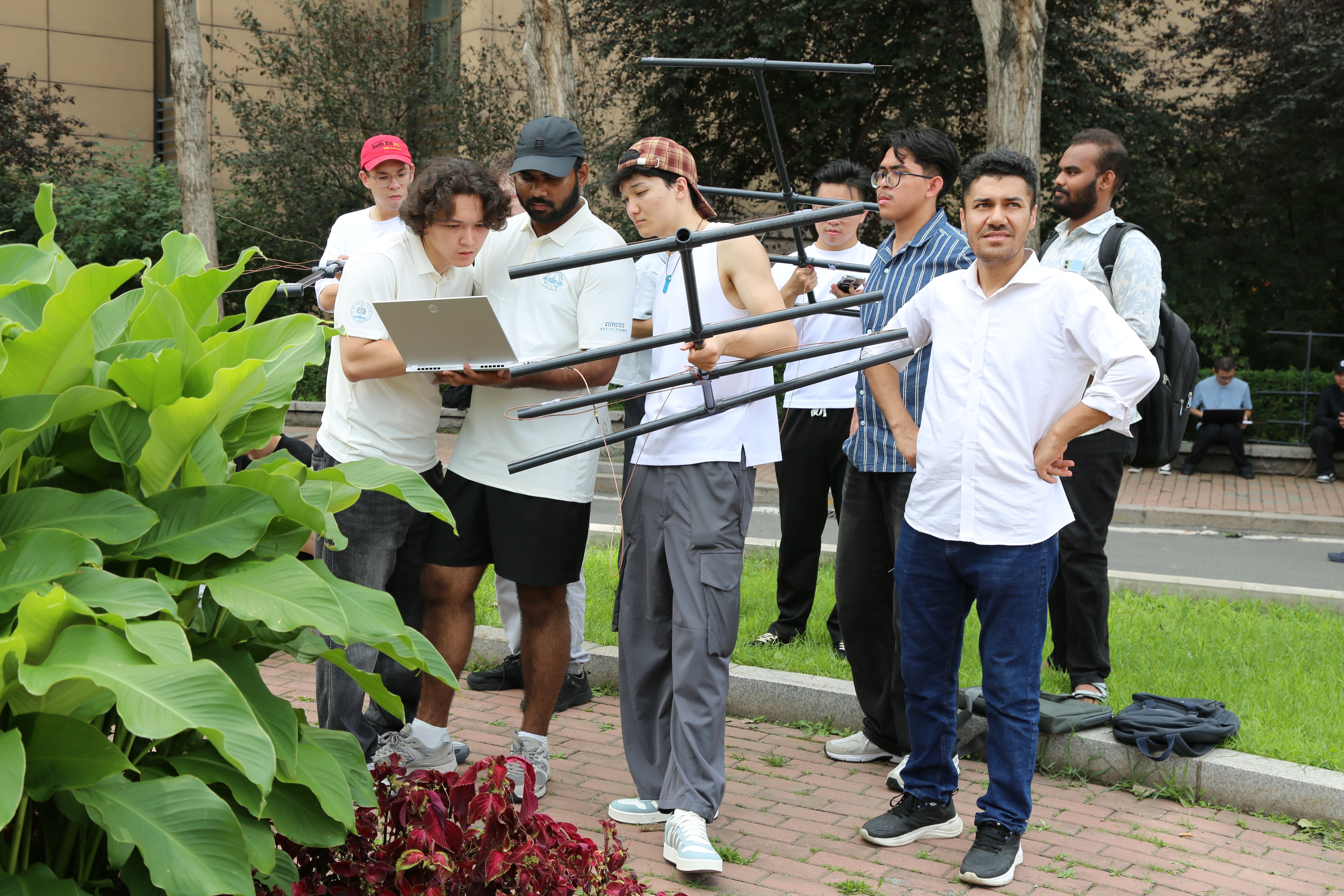
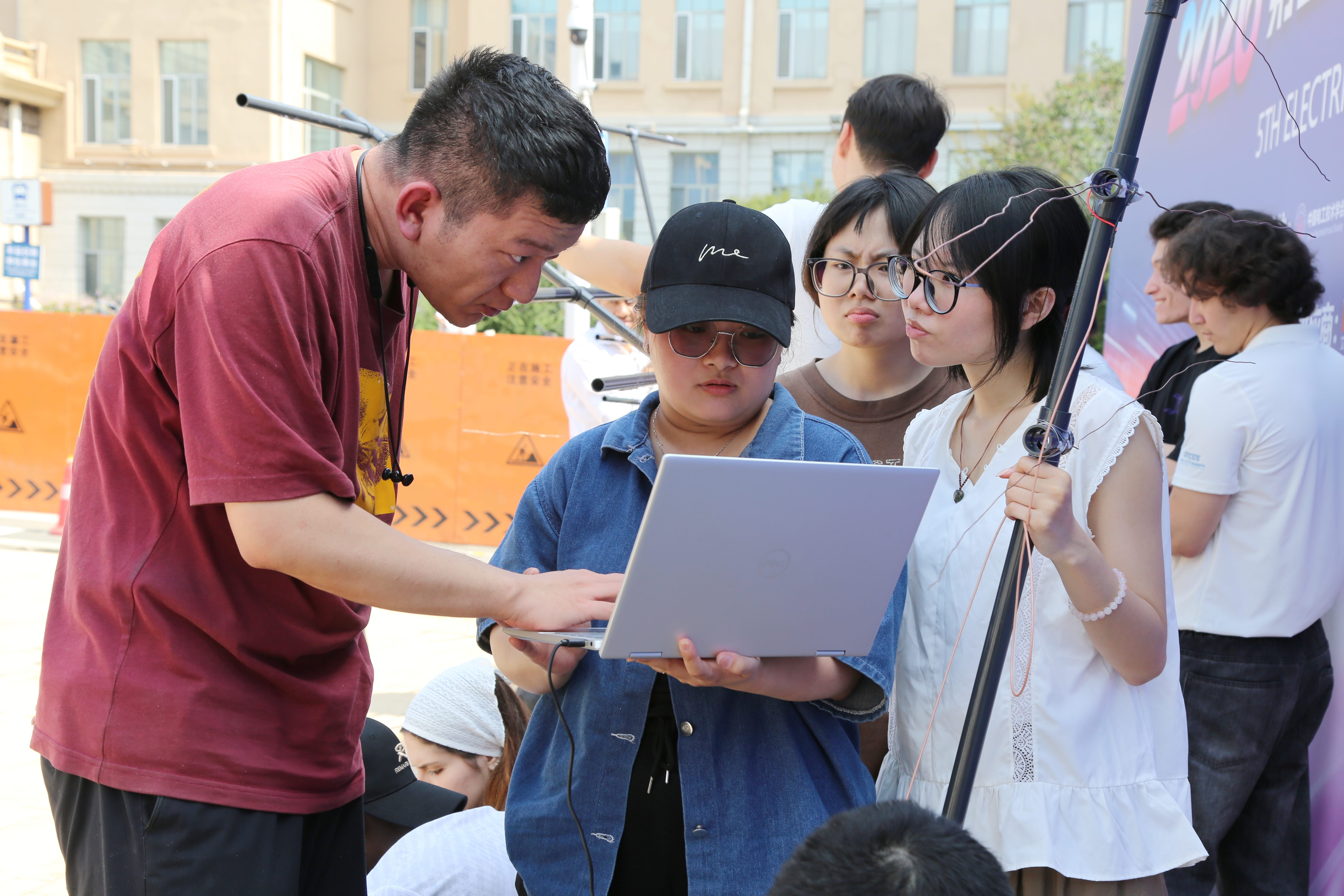
During the experiments, the students were diligent and actively engaged. They completed the construction of 4-element Yagi antennas and, in the field, successfully used them to receive and decode signals from Meteor-M series meteorological satellites, obtaining real-time weather cloud imagery. The practical course gave the students a full appreciation of the appeal of radio technology.